
Stap Wireless
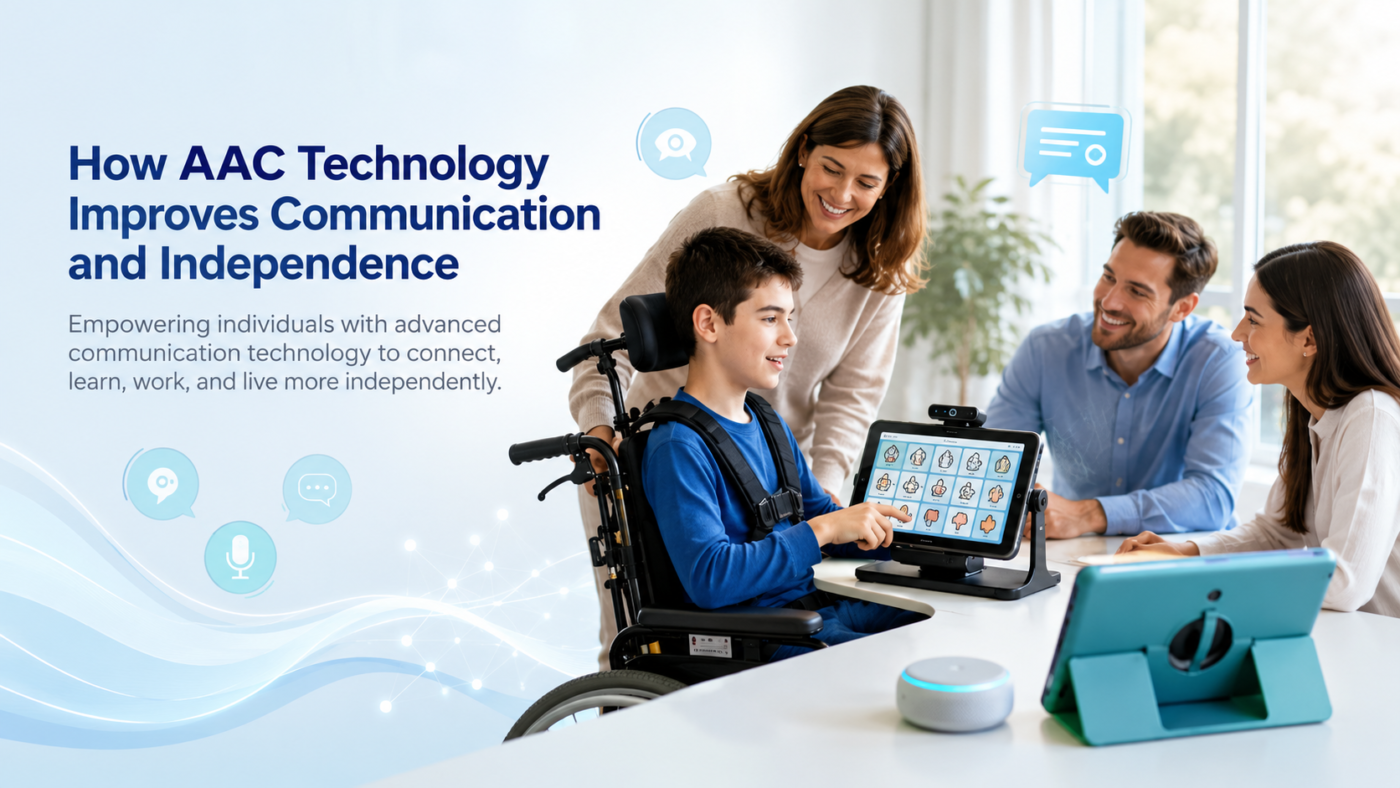
How AAC Technology Improves Communication and Independence
Jul
Communication is a fundamental part of everyday life. It allows us to express our thoughts, share our needs, build relationships, and participate in our communities. However, for individuals with speech or communication challenges, everyday conversations can sometimes be difficult.
This is where Augmentative and Alternative Communication (AAC) technology makes a meaningful difference. AAC technology provides individuals with tools to communicate effectively, helping them become more independent at home, in school, at work, and in social settings.
For eligible Texans, the Texas Specialized Telecommunications Assistance Program (STAP) can also help make AAC devices more affordable, making life-changing communication technology accessible to those who need it most.
What Is AAC Technology?
Augmentative and Alternative Communication (AAC) includes devices, software, and communication methods that help people who have difficulty speaking or communicating verbally.
AAC can supplement existing speech or provide an alternative method of communication for individuals with conditions such as:
- Autism Spectrum Disorder (ASD)
- Cerebral Palsy
- ALS (Lou Gehrig’s Disease)
- Stroke or brain injury
- Down Syndrome
- Developmental disabilities
- Speech impairments
- Neurological disorders
AAC technology allows users to communicate using text, symbols, images, touchscreens, eye tracking, or speech-generating devices.
How AAC Technology Improves Daily Communication
1. Gives Individuals a Voice
One of the greatest benefits of AAC technology is that it enables individuals to express their thoughts, needs, emotions, and ideas more effectively.
Whether ordering food, asking for help, participating in class, or having a conversation with family, AAC devices help users communicate with confidence.
2. Encourages Greater Independence
Being able to communicate independently reduces reliance on caregivers or family members.
AAC users can:
- Make phone or video calls
- Send messages
- Express medical needs
- Participate in meetings
- Make everyday decisions
- Interact confidently in public
Greater communication often leads to greater independence.
3. Supports Learning and Education
Students who use AAC technology can actively participate in classroom discussions, complete assignments, and communicate with teachers and classmates.
Many AAC devices also support:
- Vocabulary building
- Reading
- Writing
- Language development
- Interactive learning
These tools create more inclusive educational experiences.
4. Improves Social Connections
Communication is essential for building friendships and maintaining relationships.
AAC technology helps users:
- Join conversations
- Participate in family activities
- Build friendships
- Communicate during community events
- Engage on social media
Improved communication often leads to greater confidence and emotional well-being.
5. Enhances Workplace Opportunities
Many adults with communication challenges use AAC technology to succeed in the workplace.
AAC devices can assist with:
- Team communication
- Customer interactions
- Scheduling
- Meetings
- Remote work
- Professional presentations
Technology helps create more inclusive employment opportunities.
Types of AAC Technology
Today’s AAC solutions are more advanced than ever. Common options include:
Speech Generating Devices (SGDs)
SGDs convert text, symbols, or icons into spoken words, allowing users to communicate naturally.
Tablet-Based AAC Systems
Many communication apps operate on tablets, offering customizable vocabulary, symbols, and voices.
Eye-Tracking Communication Devices
Individuals with limited mobility can control AAC devices using eye movements, enabling hands-free communication.
Symbol-Based Communication Apps
These applications help users communicate using pictures, icons, and visual symbols, making them especially useful for children and beginning communicators.
How STAP Vouchers Help Make AAC Technology Affordable
High-quality AAC devices can be expensive, making them difficult for many families to purchase.
The Texas Specialized Telecommunications Assistance Program (STAP) helps eligible Texans access communication technology through approved vouchers.
Depending on eligibility and program guidelines, STAP vouchers may be used toward approved assistive communication devices, including:
- Speech Generating Devices (SGDs)
- AAC communication devices
- Tablets
- Smartphones
- Two-Way Texting Devices
- Other eligible assistive technology
This financial assistance helps individuals gain access to communication tools that improve everyday life.
Choosing the Right AAC Device
Selecting the best AAC solution depends on each person’s communication needs, abilities, and lifestyle.
Consider factors such as:
- Ease of use
- Vocabulary customization
- Touch or eye-tracking capabilities
- Portability
- Battery life
- Software compatibility
- Long-term communication goals
Consulting with a speech-language pathologist or assistive technology professional can help identify the most suitable option.
Conclusion
AAC technology does much more than help people communicate—it opens doors to education, employment, social interaction, and independent living. With the right communication tools, individuals can participate more fully in daily life and build stronger connections with the world around them.
If you’re an eligible Texas resident, the STAP Program can help make AAC technology more affordable through approved vouchers.
Ready to Find the Right AAC Device?
Explore STAP-approved communication devices and learn how to redeem your STAP Voucher at www.stapwireless.com. Our team is here to help you find the right technology to support clearer communication, greater independence, and a better quality of life.
