
Stap Wireless, Uncategorized
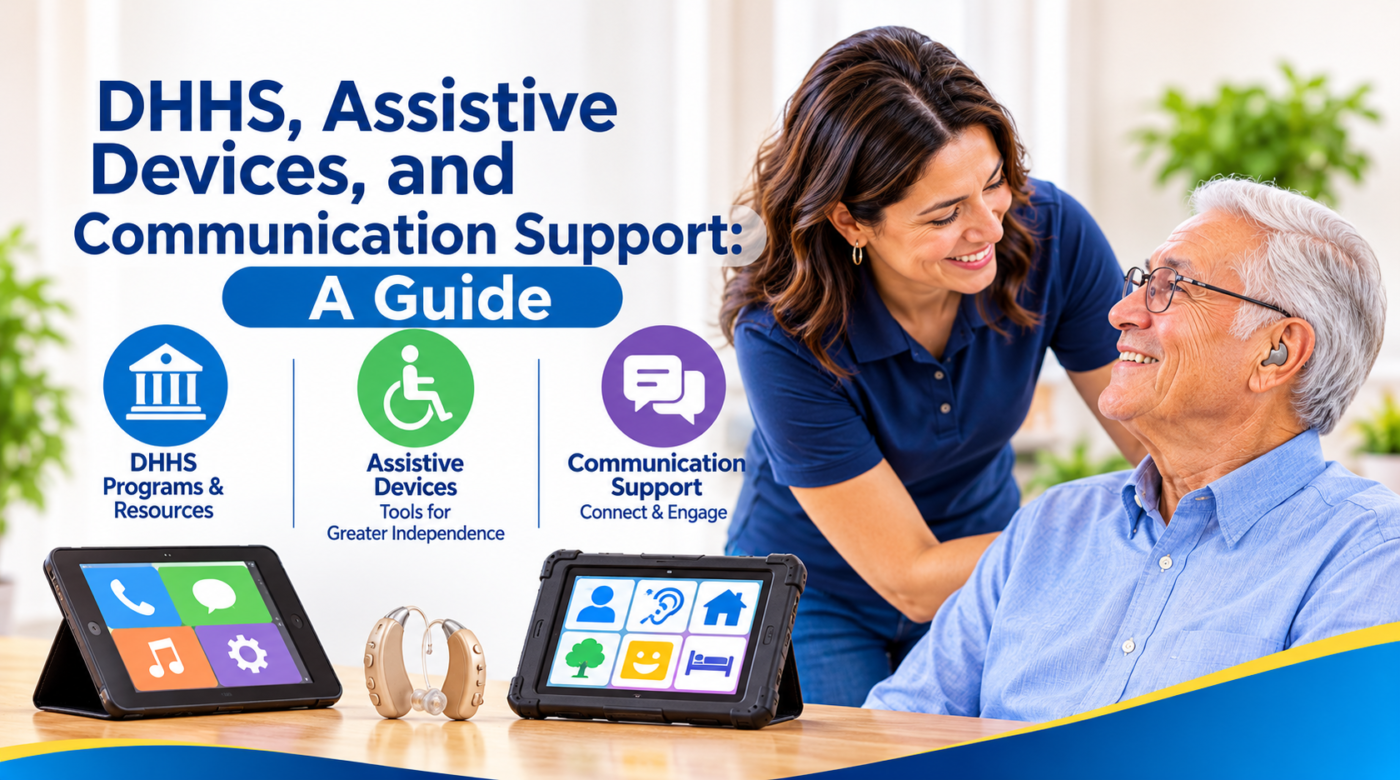
DHHS, Assistive Devices, and Communication Support: A Guide
Nov
Access to appropriate assistive technology and communication equipment plays an important role in improving independence and everyday accessibility for individuals with disabilities. From specialized telephones to advanced speech-generating devices, these solutions help people communicate, participate in daily activities, and stay connected with family, friends, and their communities. STAPWireless helps individuals explore specialized communication equipment and understand resources such as Texas STAP Vouchers.
Texas Health and Human Services (HHS) supports residents through various disability-related programs, accessibility services, and specialized telecommunications assistance. Understanding these resources can help individuals and families identify suitable equipment, explore available financial assistance, and make informed decisions about their communication needs.
Understanding Texas Health and Human Services (HHS) and Assistive Technology
Texas Health and Human Services (HHS) oversees several programs designed to support individuals with disabilities, older adults, and people who require specialized assistance. These initiatives address different needs, including healthcare access, independent living, communication support, and disability-related services.
The Role of Texas Health and Human Services
Texas HHS coordinates public assistance programs and services that help eligible residents access essential support. Its Office for Deaf and Hard of Hearing Services provides information and resources for people experiencing hearing loss or communication barriers.
One important initiative is the Specialized Telecommunications Assistance Program (STAP). It helps eligible Texans obtain specialized telecommunications equipment through an approved voucher system. This assistance is particularly valuable for individuals who cannot effectively use standard telephone equipment because of a disability.
Various DHHS programs for people with special needs also provide access to healthcare-related services, community resources, vocational assistance, and other disability support opportunities. Eligibility and available benefits differ depending on the specific program.
Understanding Assistive Devices and Assistive Technology
Assistive technology includes specialized equipment, software, and tools that help individuals overcome challenges associated with physical, sensory, cognitive, and communication disabilities.
Common examples include:
- Amplified telephones for individuals with hearing difficulties.
- Speech-generating devices for people with limited verbal communication.
- Screen readers and magnification software for visual accessibility.
- Wheelchairs and mobility equipment.
- Adaptive keyboards and accessible computer accessories.
- Communication boards and picture-based communication tools.
The right equipment depends on an individual’s abilities, preferences, and everyday requirements. A suitable assistive device can improve accessibility while supporting greater independence at home, in educational environments, and in workplaces.
Types of Assistive Devices Available for Different Needs
Assistive technology includes different types of electronic devices that help individuals communicate, access information and manage everyday activities. The right equipment depends on each person’s accessibility requirements and communication preferences. STAP Wireless offers several device categories, including tablets, smartphones, speech-generating devices and laptops, to help users explore suitable technology options.
Tablets and Accessible Communication Devices
Tablets provide convenient access to digital communication, educational resources, video calls and everyday applications. Devices such as Apple iPads and Samsung Galaxy tablets offer accessibility features that can support individuals with different needs.
Depending on the model, these features may include screen magnification, voice assistance, text-to-speech, adjustable display settings and speech recognition. Tablets can also support communication applications that help users express messages and interact with others more easily.
Smartphones and Hearing Accessibility Technology
Smartphones help individuals stay connected through voice calls, text messages, video calls and messaging applications. STAP Wireless offers smartphone options from brands such as Apple, Samsung, Google and Motorola.
These devices include accessibility features such as adjustable text sizes, screen readers, speech-to-text, voice commands and hearing assistance settings, depending on the model. Such features can make everyday communication more convenient for individuals with hearing, vision or other accessibility requirements.
Speech Generating Devices and Alternative Communication Solutions
Speech Generating Devices (SGDs) are designed to help individuals who have difficulty communicating through natural speech. These devices allow users to express their thoughts, needs and messages through digital speech output.
STAP Wireless offers speech-generating equipment, including the EyeTech EyeOn Go. Depending on the device’s capabilities, users can communicate through on-screen selections and alternative input methods. These solutions can support communication at home, in educational environments and during everyday interactions.
Laptops and Digital Accessibility Tools
Laptops provide access to online communication, education, remote work and digital services. They can also support individuals who need larger displays, customizable input settings and specialized accessibility tools.
STAP Wireless includes laptop options such as Microsoft Surface devices. Depending on the operating system and model, users can access features such as screen readers, screen magnification, voice typing, speech recognition and keyboard customization. These tools can make digital activities more accessible and convenient.
Choosing suitable assistive technology involves understanding individual requirements and comparing the available device features. STAP Wireless provides different equipment categories to help consumers explore communication and accessibility solutions based on their needs. Explore the complete range of STAP assistive devices and communication equipment to find available tablets, smartphones, speech-generating devices and laptops.
Communication Support Services and Assistive Technology in Texas
Communication is essential for education, employment, healthcare, and social interaction. Individuals who experience speech or hearing difficulties may require specialized technology to communicate effectively.
Augmentative and Alternative Communication (AAC) Devices
Augmentative and Alternative Communication (AAC) includes tools and methods that support individuals who have difficulty communicating through spoken language.
AAC solutions range from simple communication cards and picture boards to electronic devices with customizable vocabulary and voice output.
These systems allow users to express their needs, share information, participate in conversations, and communicate more independently.
Speech-Generating Devices
Speech-generating devices convert selected words, symbols, or typed messages into audible speech. They are designed for individuals who cannot communicate effectively through natural speech.
Depending on the equipment, features may include touchscreen controls, customizable vocabulary, voice options, and communication applications.
Professional assessments can help identify the most appropriate device based on an individual’s communication abilities and preferences.
Text-to-Speech and Speech-to-Text Technology
Text-to-speech technology converts written information into spoken words. It can support individuals who have difficulty reading or communicating verbally.
Speech-to-text technology converts spoken language into written text, helping people access conversations and digital communication more easily.
These tools are useful in educational environments, workplaces, and everyday interactions.
Communication Boards and Picture-Based Tools
Communication boards use pictures, symbols, letters, and words to help individuals express messages. They can be particularly useful for people who have difficulty speaking or using electronic communication equipment.
Low-tech communication tools are often portable, affordable, and easy to customize according to individual needs.
Specialized Telecommunications Equipment
Specialized telecommunications equipment helps people with disabilities access telephone services more effectively.
Examples include amplified telephones, captioned telephones, adapted controls, and speech-generating communication equipment.
The Texas Specialized Telecommunications Assistance Program provides eligible individuals with access to approved equipment through its voucher system.
Texas HHS Programs That Support Assistive Technology Access
Texas residents can explore several government-supported resources to identify assistive equipment and disability-related services.
Texas Specialized Telecommunications Assistance Program (STAP)
The Specialized Telecommunications Assistance Program is administered by Texas Health and Human Services. It provides eligible individuals with vouchers that can be exchanged for approved specialized telecommunications equipment.
Texas STAP Vouchers are intended for people whose disabilities affect their ability to access standard telephone services.
The general application process includes:
- Identifying the communication equipment required.
- Reviewing the applicable STAP eligibility requirements.
- Completing the appropriate application form.
- Providing proof of Texas residency.
- Obtaining disability certification from an authorized professional.
- Submitting the completed application for review.
- Using an approved voucher with a registered STAP vendor after authorization.
The program has specific requirements concerning eligible equipment, applicant qualifications, and voucher use. Applicants should review the latest official instructions before submitting their documents.
Texas Technology Access Program
The Texas Technology Access Program (TTAP) helps individuals with disabilities explore and obtain assistive technology.
Its resources include equipment demonstrations, device lending opportunities, assistive technology reuse, and alternative financing information.
These services allow individuals to explore different equipment options and understand their features before making a purchasing decision.
Vocational Rehabilitation Services
Vocational rehabilitation services support eligible individuals with disabilities who want to prepare for employment, obtain a job, or maintain their existing employment.
Depending on individual eligibility and employment goals, services may include vocational assessments, workplace accessibility assistance, training, and certain assistive equipment.
Medicaid and Other Disability-Related Assistance
Texas Medicaid may cover certain medically necessary equipment and services when eligibility and program requirements are satisfied.
Other disability-related assistance may be available through children’s services, educational support programs, independent living resources, and Home and Community-Based Services (HCBS) waiver programs.
Coverage varies according to the program, equipment category, medical necessity, and individual circumstances.
Eligibility and Application Requirements for Assistive Devices
Eligibility requirements differ between assistive technology programs. Applicants should identify the specific service they need before beginning the application process.
For STAP, applicants generally must be Texas residents, at least five years old, and have a disability that interferes with effective access to the telephone network. Applicants must also provide the required disability certification and proof of residency.
Authorized professionals may include physicians, audiologists, speech-language pathologists, social workers, optometrists, and other professionals recognized by the program.
The certification process helps establish the applicant’s disability and the need for specialized telecommunications equipment.
Applicants should also understand that voucher processing can take time. Texas HHS advises that STAP application processing may take up to six months. Keeping copies of submitted documents and following official application instructions can help applicants manage the process.
Choosing the Right Assistive Communication Device
Selecting appropriate equipment requires careful consideration of the user’s communication abilities, physical requirements, and daily environment.
Evaluating Individual Communication Needs
The first step is identifying the specific communication barrier. Individuals with hearing difficulties may need amplified telephone equipment, while people with speech disabilities may benefit from AAC systems or speech-generating devices.
A professional assessment can help determine which technology provides the most effective support.
Comparing Equipment Features and Compatibility
Different devices offer different accessibility features. Important considerations include:
- Sound quality and volume adjustment.
- Display size and readability.
- Button layout and control accessibility.
- Portability and ease of operation.
- Battery life and charging requirements.
- Software and device compatibility.
- Availability of technical assistance.
Comparing these features helps individuals select equipment that matches their requirements.
Understanding Equipment Costs and Financial Assistance
Assistive technology costs vary depending on equipment complexity, customization, and additional features.
Before purchasing, individuals should review the total cost, including accessories, maintenance, software, and replacement parts.
Eligible funding options may reduce expenses. However, consumers should verify whether a particular device is covered by insurance, Medicaid, a voucher program, or another financial assistance resource.
Professional Guidance and Device Demonstrations
Healthcare professionals and assistive technology specialists can help individuals evaluate available equipment.
Speech-language pathologists can assess communication requirements, while audiologists can recommend suitable hearing-related technology.
Equipment demonstrations and lending opportunities also allow users to experience different devices before committing to a purchase.
Financial Assistance and Funding Options in Texas
The cost of specialized equipment can create financial challenges for individuals and families. Exploring available assistance programs can help make appropriate technology more accessible.
Potential resources include:
- STAP for eligible specialized telecommunications equipment.
- Texas Technology Access Program resources and alternative financing.
- Medicaid coverage for eligible medically necessary equipment.
- Children’s disability-related assistance programs.
- Home and Community-Based Services waiver support.
- Vocational rehabilitation services.
- School-based assistive technology support.
- Nonprofit organizations and community assistance resources.
Each program has its own eligibility criteria and funding restrictions. Individuals should confirm the applicable requirements directly with the responsible agency before purchasing equipment.
Maintaining and Getting the Most from Assistive Devices
Proper maintenance helps keep assistive equipment reliable and functional. Users should follow manufacturer instructions, clean equipment appropriately, check batteries, and inspect charging connections and accessories regularly.
Electronic communication devices may also require software updates to maintain compatibility and accessibility features.
Training is another important consideration. Individuals should understand how to operate their equipment, customize settings, and access technical support when needed.
When equipment becomes unreliable or no longer meets the user’s communication requirements, a professional reassessment can help determine whether repairs, replacement, or an upgrade is appropriate.
Finding the Right Assistive Device and Communication Support in Texas
Assistive technology plays an important role in improving accessibility, communication, and independence for individuals with disabilities. Understanding available equipment, evaluating personal requirements, and exploring financial assistance are essential steps toward finding a suitable solution.
Texas residents can explore government resources, professional assessments, and equipment demonstrations to make informed decisions. Texas STAP Vouchers provide an important opportunity for eligible individuals who need specialized telecommunications equipment to access telephone services.
For additional information about communication equipment and available product options, Wireless Gadgetz provides an online resource for individuals exploring specialized telecommunications devices. Choosing reliable equipment with appropriate accessibility features and ongoing support can make everyday communication more convenient and inclusive.
Frequently Asked Questions
1. What is the Texas STAP Program?
The Texas STAP Program provides eligible individuals with vouchers to obtain specialized telecommunications equipment.
2. Who qualifies for Texas STAP Vouchers?
Texas residents aged five or older with disabilities that affect telephone access may qualify, subject to program requirements.
3. What types of assistive devices are available?
Options include amplified telephones, speech-generating devices, AAC equipment, communication boards, and adaptive technology.
4. Does Texas Medicaid cover assistive devices?
Texas Medicaid may cover certain medically necessary assistive devices, depending on eligibility and coverage requirements.
5. Where can individuals find assistive communication equipment?
Individuals can explore registered STAP vendors, assistive technology programs, and specialized equipment suppliers such as STAPWireless.
