
Stap Wireless
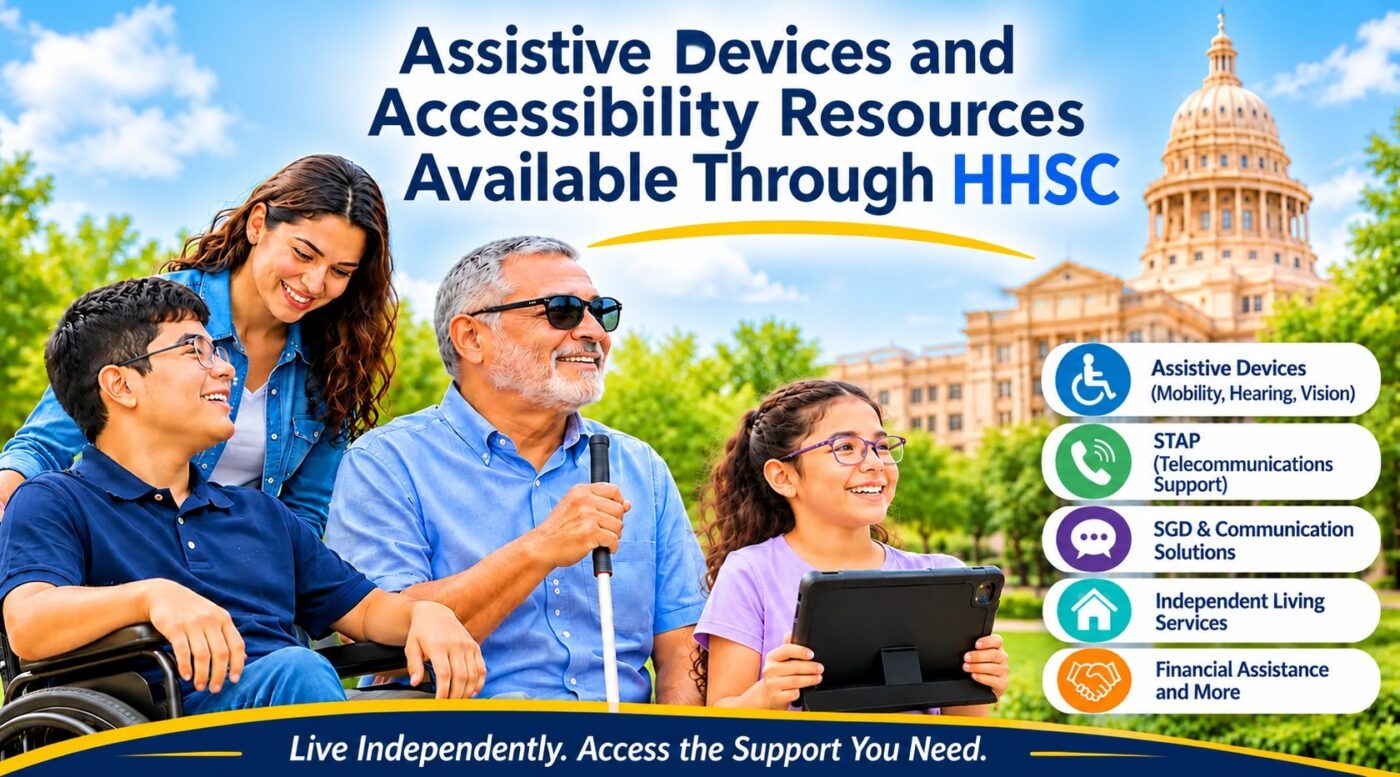
Assistive Devices and Accessibility Resources Available Through HHSC
Nov
Access to suitable assistive technology can make a significant difference in the everyday lives of people with disabilities. From mobility equipment and hearing assistance devices to communication technology and accessible home solutions, these resources help individuals manage daily activities with greater independence. In Texas, the Health and Human Services Commission (HHSC) connects eligible residents with disability-related services, independent living support and accessibility resources. Individuals and families can also explore specialized accessibility and connectivity solutions through stapwireless when researching suitable technology.
Understanding Assistive Devices and Accessibility Support in Texas
Assistive devices include equipment, software and technology designed to support individuals who experience physical, sensory, cognitive or communication-related difficulties. These solutions can improve access to education, employment, healthcare, transportation and everyday activities.
The Texas Health and Human Services Commission supports individuals with disabilities through different services and community partnerships. Its Independent Living Services program works with Centers for Independent Living (CILs) to help eligible Texans develop the skills and access the resources needed to live independently.
The Role of Assistive Technology in Independent Living
Assistive technology supports individuals in completing activities that may otherwise require additional assistance. Mobility equipment can improve movement, hearing devices can support communication, and accessible software can make digital information easier to use.
The right equipment depends on individual requirements, daily routines and the environment in which it will be used. A professional assessment can help identify practical solutions that support long-term independence.
Accessibility Challenges Faced by Texans With Disabilities
People with disabilities may experience barriers when accessing public buildings, transportation, healthcare facilities, educational institutions and digital services. Limited mobility, hearing difficulties, visual impairments and speech-related challenges can affect participation in everyday activities.
Assistive equipment and accessibility modifications help reduce these barriers. Community-based services also provide guidance on finding appropriate equipment, understanding disability rights and accessing available assistance.
Types of Assistive Devices Available for Texas Residents
Assistive technology includes a wide range of equipment designed to address different accessibility requirements. Understanding the available categories helps individuals and caregivers compare solutions before making a purchase.
Speech-Generating Devices and Communication Solutions
Communication equipment supports individuals who have difficulty expressing themselves through natural speech. Options include communication boards, picture-based systems, communication applications and speech-generating devices.
A speech-generating device (SGD) converts selected text, symbols or messages into spoken output. These devices can support communication at home, in schools, healthcare environments and workplaces. Important selection factors include vocabulary customization, voice options, portability and alternative access methods.
Mobility Aids and Adaptive Equipment
Mobility aids include manual wheelchairs, power wheelchairs, walkers, mobility scooters, transfer boards and positioning equipment. These devices help individuals move around their homes, workplaces and communities more safely.
When selecting mobility equipment, important considerations include comfort, weight capacity, portability, battery performance, maneuverability and maintenance requirements. The user’s physical abilities and daily activities should guide the selection process.
Hearing Assistance and Telephone Equipment
People with hearing loss may benefit from amplified telephones, captioned telephone equipment, compatible accessories and specialized communication solutions.
Texas offers the Specialized Telecommunications Assistance Program (STAP), which helps eligible residents obtain approved equipment for accessing telephone services. The program uses vouchers that can be exchanged through participating registered vendors.
Vision Support and Accessible Digital Technology
Visual accessibility equipment includes screen readers, electronic magnifiers, screen enlargement software and accessible digital displays. These tools help individuals read documents, navigate websites, access educational materials and use computers or mobile devices.
Device selection should consider the user’s level of vision, preferred technology, ease of operation and compatibility with existing equipment.
HHSC Programs and Resources for Special Needs in Texas
Understanding HHSC programs resources special needs can help individuals and families identify disability services, independent living support and potential funding opportunities. The availability of assistance depends on the individual’s circumstances, program requirements and funding.
Independent Living Services Through Centers for Independent Living
HHSC contracts with Centers for Independent Living to provide services that support individuals with significant disabilities in maintaining independence within their communities.
Core services generally include information and referral, independent living skills training, peer counseling, individual and systems advocacy, and transition assistance.
Some centers also provide purchased services, which may include assistive devices, mobility equipment, communication technology and home accessibility modifications. These services may involve a sliding-scale payment based on income.
Medicaid and Home and Community-Based Services
Texas Medicaid and certain Home and Community-Based Services (HCBS) programs may provide access to approved equipment and disability-related support for eligible individuals.
Depending on the program and individual service plan, assistance may include adaptive aids, mobility equipment, positioning devices and communication solutions. Coverage is subject to medical necessity, program rules and authorization requirements.
Not every device is automatically covered. Individuals should confirm their specific benefits before purchasing equipment.
Specialized Telecommunications Assistance Program (STAP)
STAP is designed to help eligible Texans with disabilities obtain specialized equipment that makes telephone access easier. Approved equipment may support individuals with hearing, speech, mobility or other qualifying disabilities.
Applicants generally need to meet age and residency requirements and provide the required disability certification. The application process includes reviewing eligibility and selecting equipment from the approved options available through registered vendors.
STAP can be particularly useful for individuals who cannot effectively use standard telephone equipment and need accessible communication alternatives.
Financial Assistance and Funding Options for Assistive Devices
Assistive technology costs vary according to equipment type, customization, installation and maintenance. Exploring funding options before making a purchase can help individuals manage expenses and identify suitable assistance.
Medicaid Coverage for Medically Necessary Equipment
Texas Medicaid may cover certain assistive devices when they meet medical necessity requirements and the applicable benefit rules. Wheelchairs, mobility equipment and other approved medical supplies may be covered depending on the individual’s plan.
Documentation from healthcare professionals may be required to support the request. Prior authorization and provider requirements can also affect approval.
Independent Living Support and Sliding-Scale Services
Participating Centers for Independent Living may provide purchased services for eligible individuals who require equipment or accessibility improvements. Depending on the service and financial circumstances, the individual may be asked to contribute toward the cost.
Contacting a local center can help clarify available services, assessment procedures and funding conditions.
Community Assistance and Equipment Reuse Programs
Additional financial options may be available through community organizations, charitable assistance and assistive technology reuse programs. Refurbished equipment and device loan services can also provide lower-cost alternatives.
Individuals should check equipment condition, safety, compatibility, warranty coverage and maintenance requirements before accepting or purchasing reused devices.
Eligibility Requirements and Application Procedures
Access to assistive devices and disability-related services depends on the requirements of each program. Some services consider disability-related needs, while others may also assess income, age, residency or medical necessity.
Disability Documentation and Professional Assessments
Applicants may need medical records, disability certification or recommendations from qualified professionals. Assessments help identify equipment that addresses specific functional needs.
Occupational therapists, physical therapists, speech-language professionals and healthcare providers may contribute to equipment recommendations, depending on the type of assistance required.
Application Process for Texas Disability Support
The application process generally involves identifying the appropriate program, reviewing eligibility, preparing supporting documents and completing the required application.
For Independent Living Services, individuals can contact a participating Center for Independent Living. For STAP, applicants should review the current application instructions and disability certification requirements. Medicaid-related equipment requests should be discussed with the relevant health plan or service coordinator.
Reviewing Approvals and Funding Conditions
Before purchasing equipment, applicants should confirm approval status, funding amounts, authorized vendors and any payment responsibilities. They should also review delivery arrangements, repair services and replacement conditions.
Texas Assistive Technology Resources Beyond HHSC
Several Texas-based organizations provide additional support for people seeking accessible equipment and independent living services.
Texas Technology Access Program (TTAP)
The Texas Technology Access Program provides assistive technology resources, including device demonstrations, short-term loans and equipment reuse opportunities. Its loan library allows individuals to try certain devices in their everyday environments before deciding whether they are suitable.
This can be helpful when comparing communication equipment, mobility aids and other assistive technology options.
Centers for Independent Living and Disability Advocacy
Centers for Independent Living provide information, skills training, advocacy and connections to local accessibility resources. Disability rights organizations also help individuals understand their rights and address barriers to accessing services.
Vocational Rehabilitation and Workplace Accessibility
Employment-related accessibility support can include adaptive computer equipment, communication technology, workplace modifications and other reasonable accommodations. Individuals seeking employment support can explore vocational rehabilitation services and discuss their requirements with the appropriate program representatives.
Home Accessibility Solutions for Independent Living
Home modifications can make everyday activities safer and more manageable for individuals with mobility limitations and other disabilities.
Accessible Entrances and Wheelchair Ramps
Ramps, wider doorways and accessible entrances can improve movement between different areas of a home. Proper measurements, slope, surface materials and installation quality are important for safety.
Bathroom Safety and Mobility Modifications
Grab bars, shower seats, accessible fixtures and transfer equipment can help individuals manage personal care activities. The most suitable modifications depend on the person’s mobility and bathroom layout.
Smart Home Technology and Environmental Controls
Accessible switches, voice-controlled systems, automated lighting and environmental controls can make it easier to operate household equipment. These technologies may help individuals manage lighting, temperature, doors and other home functions with reduced physical effort.
Choosing the Right Assistive Device for Individual Needs
Selecting suitable equipment requires a balance between accessibility needs, usability, safety and long-term affordability.
Comparing Device Features and Performance
Individuals should evaluate comfort, durability, ease of operation, portability and compatibility with existing equipment. For communication technology, vocabulary customization and access methods may be important. For mobility devices, battery life, weight capacity and maneuverability may have greater importance.
New, Refurbished and Loaned Equipment
New equipment may offer current features and manufacturer warranties, while refurbished devices can provide more affordable alternatives. Short-term loans allow individuals to test equipment before committing to a purchase.
Maintenance, Repairs and Replacement Planning
Long-term costs include batteries, replacement parts, repairs, software updates and professional servicing. Understanding these responsibilities helps individuals select equipment that remains practical over time.
Improving Accessibility Through the Right Resources
Access to appropriate assistive technology can improve communication, mobility and independent living for Texans with disabilities. Understanding HHSC services, Medicaid coverage, independent living programs and community-based assistance helps individuals identify solutions that match their needs and financial circumstances.
Exploring HHSC programs resources special needs can also help families understand available support and make informed equipment decisions. Individuals should verify eligibility, funding conditions and equipment requirements before purchasing a device. Wireless Gadgetz can be considered when exploring specialized accessibility and connectivity solutions that support everyday communication and independence.
Frequently Asked Questions
Does Texas Medicaid Cover Wheelchairs and Mobility Equipment?
Texas Medicaid may cover medically necessary wheelchairs and other approved mobility equipment when the individual meets applicable coverage and authorization requirements. Coverage varies according to the specific benefit and health plan.
Can Individuals With Disabilities Receive Free Assistive Technology in Texas?
Some core Independent Living Services are provided without charge through participating Centers for Independent Living. Purchased equipment and services may involve sliding-scale payments. Other programs have separate eligibility and funding requirements.
How Can Texans Apply for Independent Living Services?
Individuals can contact a participating Center for Independent Living in their area. The center can explain available services, eligibility requirements and the process for developing an Independent Living Plan.
Where Can Texans Find Low-Cost or Refurbished Assistive Equipment?
Local Centers for Independent Living and the Texas Technology Access Program can help individuals explore device loans, equipment reuse and other assistive technology resources. Availability varies by equipment type and location.
Can HHSC Help Pay for Home Accessibility Modifications?
Eligible individuals may be able to access certain home modifications through purchased Independent Living Services. Possible improvements include wheelchair ramps, grab bars and other accessibility adaptations, subject to program requirements and available funding.
