
Stap Wireless
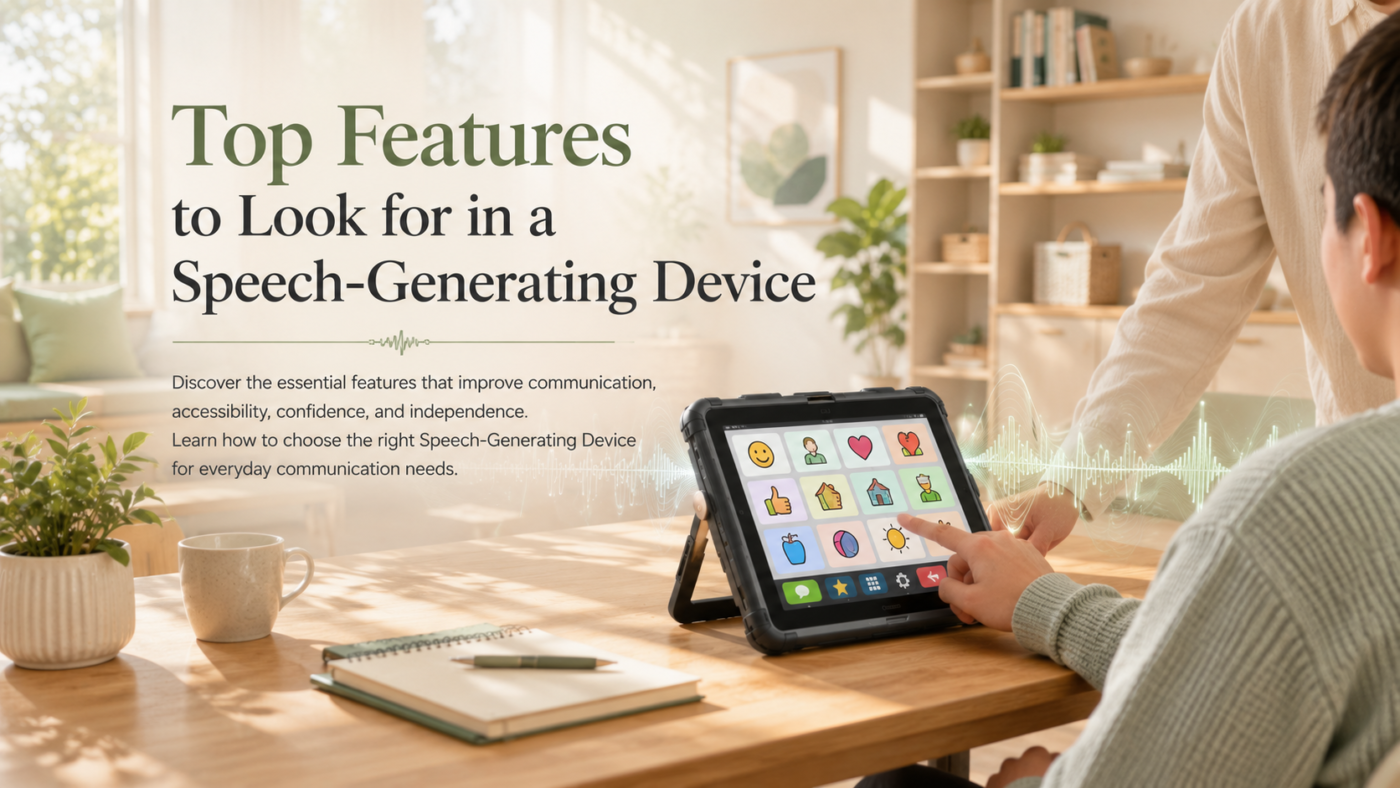
Top Features to Look for in a Speech-Generating Device
Jul
Communication is one of the most important aspects of everyday life. It helps us express our thoughts, ask for help, build relationships, and participate in school, work, and social activities. For individuals with speech or communication challenges, a Speech-Generating Device (SGD) can open the door to greater confidence and independence.
Today’s SGDs are more advanced than ever, offering features that can be tailored to each person’s unique communication needs. Whether you’re a parent, caregiver, therapist, or someone looking for an assistive communication solution, understanding what to look for in an SGD can help you make an informed decision.
If you’re an eligible Texas resident, the Texas Specialized Telecommunications Assistance Program (STAP) may also help make these devices more affordable through approved vouchers.
Let’s explore the top features that matter most when choosing a Speech-Generating Device.
What Is a Speech-Generating Device?
A Speech-Generating Device (SGD) is an electronic communication aid that converts text, symbols, or images into spoken words. SGDs are commonly used by individuals with speech impairments caused by conditions such as:
- Autism Spectrum Disorder (ASD)
- Cerebral Palsy
- ALS (Amyotrophic Lateral Sclerosis)
- Stroke
- Apraxia of Speech
- Down Syndrome
- Parkinson’s Disease
- Developmental disabilities
- Other neurological conditions
The right device enables users to communicate effectively in everyday situations, from simple conversations to school presentations and workplace interactions.
1. Easy-to-Use Interface
An SGD should feel simple and intuitive to use.
Look for features such as:
- Clear navigation
- Large, easy-to-select icons
- Organized menus
- Simple touchscreen controls
- Customizable layouts
A user-friendly interface reduces frustration and encourages regular use.
2. Customizable Vocabulary
Every individual communicates differently.
A quality SGD allows users to:
- Add personalized words and phrases
- Save commonly used sentences
- Organize vocabulary into categories
- Create shortcuts for frequent conversations
Customization helps users communicate naturally in different environments.
3. Natural-Sounding Voice Options
Modern SGDs offer high-quality voices that sound more natural than ever.
Consider devices that provide:
- Multiple voice selections
- Male and female voice options
- Age-appropriate voices
- Adjustable speech speed
- Clear pronunciation
Natural speech improves communication confidence and listener understanding.
4. Touchscreen Responsiveness
Many users rely entirely on the touchscreen for communication.
Choose a device with:
- Fast response times
- Accurate touch recognition
- Adjustable sensitivity
- Durable display
Reliable touch performance makes everyday communication smoother.
5. Eye-Tracking Compatibility
Some individuals cannot easily use their hands to operate a device.
Eye-tracking technology allows users to control communication using only their eye movements.
Benefits include:
- Hands-free communication
- Increased independence
- Improved accessibility
- Greater control for users with limited mobility
This feature is especially valuable for individuals with ALS, cerebral palsy, or other physical disabilities.
6. Predictive Text and Word Suggestions
Typing can take time.
Many modern SGDs include predictive text that:
- Suggests commonly used words
- Learns communication patterns
- Speeds up conversations
- Reduces typing effort
This feature allows users to communicate more efficiently throughout the day.
7. Symbol-Based Communication
Not every user relies on written words.
Many SGDs support:
- Picture symbols
- Visual icons
- Communication boards
- Image-based vocabulary
These tools are especially helpful for younger children or individuals developing language skills.
8. Portable and Lightweight Design
Communication should be available wherever life takes you.
Look for a device that is:
- Lightweight
- Easy to carry
- Durable
- Comfortable for daily use
Portable devices make it easier to communicate at school, work, appointments, and during travel.
9. Long Battery Life
An SGD should remain available throughout the day.
A reliable battery ensures users can:
- Attend school
- Participate in therapy
- Work independently
- Travel confidently
Long battery life reduces interruptions and improves reliability.
10. Compatibility with Everyday Technology
Many SGDs now integrate with other devices.
Useful compatibility features include:
- Wi-Fi connectivity
- Bluetooth support
- Tablet integration
- Accessibility apps
- Smart home compatibility (on supported devices)
These features create a more connected and convenient communication experience.
11. Personalized User Profiles
Many users have unique communication preferences.
Look for devices that support:
- Multiple user profiles
- Personalized vocabulary
- Favorite phrases
- Customized home screens
This flexibility allows the device to grow with the user’s needs over time.
12. Strong Durability
Since SGDs are used daily, they should be built to last.
Features to consider include:
- Protective casing
- Scratch-resistant screens
- Spill-resistant design
- High-quality construction
A durable device provides long-term value and peace of mind.
How Speech-Generating Devices Improve Daily Life
Choosing the right SGD is about more than technology—it’s about improving everyday experiences.
Better Communication
Users can express ideas, emotions, and needs more clearly.
Greater Independence
Individuals can participate more actively in daily decisions without relying on others to communicate for them.
Improved Education
Students can engage in classroom discussions, complete assignments, and collaborate with teachers and classmates.
Stronger Social Connections
SGDs help users build friendships, interact with family members, and participate in community activities.
Increased Confidence
Being able to communicate effectively often leads to greater self-esteem and improved quality of life.
Can a STAP Voucher Help?
For many families, purchasing assistive communication technology can be a significant expense.
The Texas Specialized Telecommunications Assistance Program (STAP) helps eligible Texans access approved communication devices through state-issued vouchers.
Depending on eligibility, STAP vouchers may be used toward:
- Speech-Generating Devices (SGDs)
- AAC communication devices
- Tablets
- Smartphones
- Two-Way Texting Devices
- Other eligible assistive technology
This support helps reduce financial barriers and makes communication technology more accessible.
Conclusion
Selecting the right Speech-Generating Device is an important step toward improving communication and independence. By focusing on features like ease of use, customizable vocabulary, natural-sounding voices, eye-tracking compatibility, portability, and accessibility, you can choose a device that best supports the user’s daily life.
If you’re an eligible Texas resident, a STAP Voucher may help make these life-changing devices more affordable.
Ready to explore your options? Visit Wireless Gadgetz to learn more about STAP-approved Speech-Generating Devices, eligibility requirements, and how to redeem your STAP Voucher. Together, we can help make communication more accessible, empowering, and independent for everyone.
