
STAP Vouchers, Stap Wireless, Uncategorized
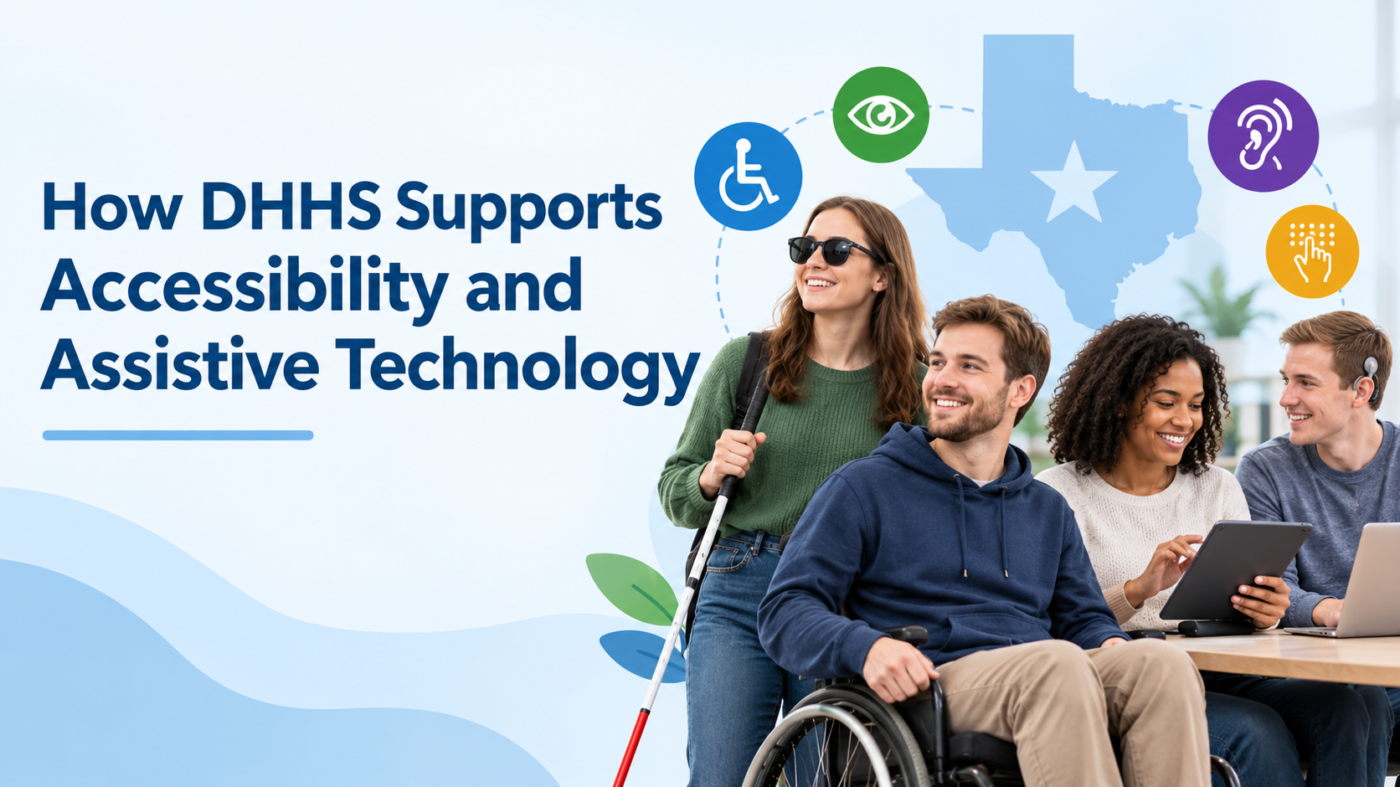
How DHHS Supports Accessibility and Assistive Technology
Oct
Access to the right technology can make everyday communication, education, employment, and independent living easier for people with disabilities. DHHS accessibility and assistive technology resources can connect eligible Texans with programs, services, devices, and other support designed to improve accessibility. Depending on a person’s disability, age, income, location, and individual needs, different Texas agencies or programs may provide assistance.
For people searching for accessible technology, the most important step is understanding which program may apply to their situation. Options can include telecommunications assistance, device demonstrations, equipment loans, vocational rehabilitation, Medicaid-related services, and other community or federal resources.
What Does DHHS Mean in Texas?
Who manages accessibility and assistive technology services?
The term DHHS can sometimes be used broadly when discussing health and human services. In Texas, several agencies and programs may have different responsibilities related to disability services, healthcare, employment, communication, and assistive technology.
Texas Health and Human Services-related services may work alongside organizations such as the Texas Workforce Commission (TWC) and other state or federal programs. Because each program has its own purpose and eligibility requirements, applicants should identify the agency responsible for the specific type of assistance they need.
What is assistive technology?
Assistive technology includes devices, equipment, software, and tools that help people with disabilities communicate, access information, move safely, perform daily activities, or participate in education and employment.
Examples may include:
- Hearing and amplified communication devices
- Captioned communication technology
- Screen readers and magnification tools
- Braille technology
- Wheelchairs and mobility equipment
- Speech-generating devices
- Augmentative and alternative communication (AAC) tools
- Text-to-speech and organizational technology
- Adaptive daily living equipment
The appropriate technology depends on the person’s functional needs and the requirements of the program providing assistance.
Why does choosing the right agency matter?
Different programs support different needs. A telecommunications program may focus on communication access, while vocational rehabilitation may address assistive technology needed for employment. Medicaid-related programs may have separate requirements for medically necessary equipment.
Understanding the purpose of each program before applying can help applicants avoid unnecessary delays and identify the correct application process.
What Assistive Technology Programs Are Available to Texans?
What is the Office for Deaf and Hard of Hearing Services?
The Office for Deaf and Hard of Hearing Services (ODHHS) is included among the resources Texans may explore for services related to hearing and communication accessibility. People who are deaf or hard of hearing may need specialized communication tools, telecommunications equipment, or other accessibility services.
What are STAP vouchers?
The Specialized Telecommunications Assistance Program (STAP) is associated with telecommunications equipment for eligible Texans who have disabilities that affect their ability to use standard telephone services.
STAP vouchers Texas can help eligible individuals obtain qualifying communication equipment through participating providers. The exact eligibility requirements, approved equipment, and application process depend on the program rules.
STAP should be considered specifically when the person’s primary need involves accessible telecommunications.
What is the Texas Technology Access Program?
The Texas Technology Access Program (TTAP) can provide opportunities to explore assistive technology through activities such as demonstrations, device loans, and equipment reuse. Trying equipment before making a purchase can be helpful because different people may require different features.
Can vocational rehabilitation help with assistive technology?
Vocational Rehabilitation through the Texas Workforce Commission may assist eligible individuals whose disabilities affect their ability to prepare for, obtain, or maintain employment. When assistive technology is necessary for work-related purposes, vocational rehabilitation may be one potential resource.
Can Medicaid programs help?
Some Medicaid programs and waiver services may provide access to equipment or related support when eligibility and program requirements are met. The specific services available can vary by program, including programs such as STAR+PLUS, HCS, CLASS, and Texas Home Living.
Children may also have access to equipment and services through programs addressing health, hearing, vision, and developmental needs.
What Types of Assistive Technology May Be Available?
Hearing and communication technology
Technology for people with hearing difficulties may include amplified phones, captioned communication tools, alerting devices, and other specialized equipment.
Vision technology
People with vision-related accessibility needs may use screen readers, magnification tools, braille displays, or talking information services.
Mobility technology
Mobility-related equipment can include wheelchairs, lifts, adaptive equipment, and certain home modifications. The appropriate equipment depends on individual needs and program requirements.
Speech and communication technology
Speech-generating devices and AAC technology can help people who have difficulty communicating through speech. These tools may range from dedicated devices to specialized applications.
Cognitive and learning supports
Reminders, organizational tools, text-to-speech technology, and other digital accessibility tools can support people with cognitive, learning, or communication needs.
Daily living technology
Assistive technology can also support everyday activities through adaptive equipment and smart-home tools designed to improve accessibility and independence.
Who Qualifies for Assistive Technology in Texas?
Eligibility is different for every program. Applicants may need to meet requirements related to age, disability, Texas residency, income, medical necessity, or other program-specific conditions.
Some programs may require documentation from a healthcare provider or professional assessment. Employment-related services may have different requirements from telecommunications programs.
Children, veterans, seniors, and working adults may also have different pathways depending on their circumstances.
Because requirements can change and vary between programs, applicants should review the current rules of the specific program before purchasing equipment or submitting an application.
How Can You Apply for Assistive Technology?
The process generally begins by identifying the type of technology needed and the program that may support it.
A useful starting process is:
- Identify the accessibility or communication need.
- Research programs that address that type of need.
- Review eligibility requirements.
- Gather disability, residency, income, medical, or employment documentation when required.
- Complete the appropriate application.
- Wait for an eligibility or funding decision.
- Follow the program’s requirements for obtaining approved equipment.
Applicants should also ask about processing times, equipment choices, provider requirements, training, repairs, and replacement policies.
If an application is denied, the person should review the reason for the decision and determine whether an appeal, reassessment, or alternative program is available.
How Should You Compare Assistive Technology Options?
Before choosing a device, consider more than the purchase price. Compatibility, accessibility features, training, warranty coverage, repairs, maintenance, and future upgrades can all affect the overall value of a device.
A device demonstration or loan program may also be useful when available. Trying technology before purchasing it can help determine whether the equipment actually meets the user’s needs.
For funded programs, applicants should also confirm whether they must use an approved vendor or provider.
What Low-Cost Assistance Options Are Available?
People who do not qualify for one particular program may still have other options. Community organizations, Centers for Independent Living, nonprofit organizations, and other local resources may help people locate affordable technology or services.
Depending on individual circumstances, people may also investigate financing programs, grants for students or employees, refurbished equipment, reused devices, or equipment loan programs.
Before spending money, check whether an existing program can provide the required equipment or reduce the cost.
What Accessibility Rights Should Texans Know About?
Accessibility protections can apply in areas such as employment, education, healthcare, and access to public services. The Americans with Disabilities Act (ADA) and other accessibility requirements are important parts of the broader accessibility framework.
Workplace accommodations may include assistive technology when it is appropriate for an employee’s needs and circumstances. Schools and healthcare providers may also have communication-access responsibilities.
Depending on the situation, accessibility services can include interpreters, captioning, CART services, and other communication support.
What Are Common Mistakes to Avoid?
One common mistake is purchasing expensive equipment before checking whether a funded or loan program may be available.
Another is choosing a device without considering the user’s actual functional needs. A professional evaluation or demonstration can help identify appropriate features.
It is also important to consider training, maintenance, repairs, replacement costs, and compatibility before making a decision.
Conclusion
Finding suitable assistive technology can be easier when you understand the different programs and eligibility pathways available in Texas. DHHS programs for people with special needs may involve different agencies and services depending on whether the need relates to communication, employment, healthcare, mobility, education, or daily living.
Before buying equipment, review eligibility requirements, compare available options, and ask about demonstrations, loans, approved providers, training, and ongoing support. For eligible Texans who need accessible telecommunications equipment, STAP vouchers Texas resources may also be worth exploring.
STAP Wireless provides assistive communication devices through the Texas STAP program and helps eligible Texans explore communication technology designed to support accessibility, independence, and everyday communication. Contact Wireless Gadgetz to learn more about available device options and the next steps for eligible customers.
Frequently Asked Questions
Does HHSC pay for hearing aids for adults?
Eligibility and coverage depend on the specific program and the person’s circumstances. Applicants should check the requirements of the relevant Texas program rather than assuming that all assistive technology is covered.
Can I get a free or discounted phone if I am deaf or hard of hearing?
Eligible Texans may have access to telecommunications assistance through programs designed for people with disabilities. The Specialized Telecommunications Assistance Program is one resource to investigate.
How long does assistive technology approval take?
Processing times can vary by program, application type, documentation, and individual circumstances. Applicants should ask the relevant agency or program about current timelines.
Can I use more than one program at the same time?
It depends on the rules of the programs involved. Some programs may coordinate with other services, while others may have restrictions. Always confirm with the agencies before receiving overlapping assistance.
Who should I contact to get started?
Start by identifying the type of accessibility technology you need and then contact the agency or program responsible for that type of service. You can also explore demonstrations, equipment loans, vocational rehabilitation, telecommunications assistance, and community resources.
